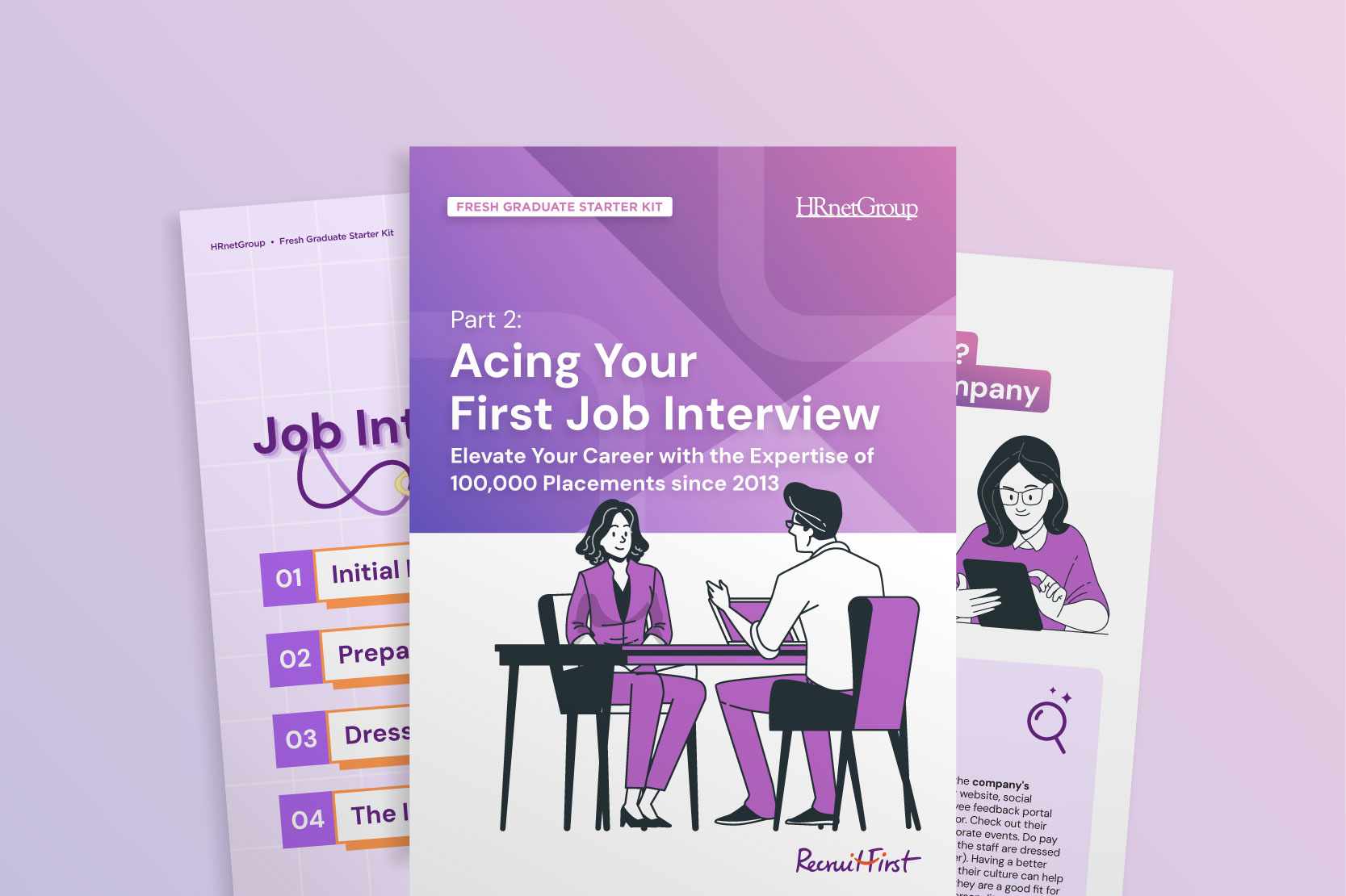
🚀 Unlock Your Success: The Fresh Graduate Starter Kit!
Embark on your professional journey with our exclusive guide, “Acing Your First Job Interview.” Packed with wisdom from 100,000+ placements since 2013, this kit is your ticket to a stellar career launch.
Topics covered:
Researching the Company
Dress to Impress
Mastering Basic Interview Questions
Handling Difficult Questions
Mastering the Art of Nonverbal Communications
Online Interview Tips
Ready to conquer your interviews? Download the full article now for insider tips and tricks!
Following up after an interview is not only polite but also shows your continued interest and enthusiasm for the position. Let’s talk about the etiquette of post-interview communication and the power of a well-crafted thank-you email.
After the interview, it’s considered good practice to send a thank-you email within 24 to 48 hours. This email serves as an opportunity to express gratitude for the interview, reiterate your interest in the role, and leave a positive impression on the hiring team. Remember, keep it professional, concise, and genuine.
When crafting your follow-up email, keep these tips in mind:
Be polite and professional.
Express gratitude by thanking the interviewers for their time and the opportunity to interview for the position.
Mention your continued interest in the role and highlight specific aspects of the interview that stood out to you.
If there were any specific topics or discussions during the interview, reference them to show your attentiveness and engagement.
Keep your email brief and to the point. Avoid rambling or overwhelming the recipient with too much information.
Proofread your email for any grammatical errors or typos before hitting the send button.
Example Email Template:
Subject: Expressing Gratitude and Interest – [Position Title]
Dear [Interviewer’s Name],
I hope this email finds you well. I wanted to extend my heartfelt thanks for the opportunity to interview for the [Position Title] at [Company Name]. Our conversation has further solidified my enthusiasm for joining your esteemed organization.
I was genuinely impressed by the company’s dedication to innovation and the impactful work you are doing in [relevant industry]. The insights you shared during the interview have only deepened my desire to contribute to your team and be a part of your mission to [mention a specific company goal or vision].
I wanted to express my gratitude for the time you took to discuss the role and provide valuable insights into the company culture and future projects. Our conversation affirmed my belief that [Company Name] is the perfect fit for my skills, passions, and career aspirations.
I remain excited about the potential opportunity to contribute to the success of [Company Name] and its team. Please feel free to reach out if there is any additional information or documentation I can provide to support the hiring process.
Once again, thank you for your time and consideration. I look forward to the possibility of joining your exceptional team and making a positive impact together.
Best regards,
[your name]
[Email address]
(555) 555 – 5555
[link to portfolio] | [link to LinkedIn]
Second Follow-Up Email
After waiting for two weeks without receiving a response after your interview, it’s natural to feel a sense of disappointment. You might start questioning if they have any plans to hire you. No need to worry just yet! Managers and hiring teams are swamped with responsibilities like urgent matters, employee concerns, and team meetings. It’s common for them to take weeks before getting back to the interview process. However, sending a well-timed email can refocus their attention and remind them of your value.
Here’s what you need to know before sending the second following up email:
Get the green light: Make sure if the employer has any instructions about the post-interview communication. If they mentioned a specific date for contact, be patient and wait until that time, even if it feels like forever. Trust their process!
Craft a catchy subject line: Your subject line is the first thing interviewers will see. Grab their attention but keep it concise and capture the purpose of your message.
Get to the point: You reached out for a reason, so make sure your intention shines through. Politely inquire about the status of your application by asking one of these questions:
Have you made a hiring decision?
Am I still being considered for the role?
What are the next steps in the decision-making process?
Show your enthusiasm: After asking about the application process, emphasize your continued interest in the role. This is your chance to share any ideas or thoughts that demonstrate your dedication to the position.
Example email template:
Email Subject line: [position title] at [Company Name].
Hi [interviewer’s name],
I hope you’re well.
We last spoke on Wednesday, September 28, during my interview for the role of [position title] at [Company Name]. I really enjoyed sharing my enthusiasm and skills with you, and we seem to have a similar passion for making music in our free time.
I wanted to check in about the next steps in the process. Have you come to a final decision?
I’m still very interested in the role. I would happily share some of my content ideas in a second interview.
Thanks again for your time. Hope to hear from you soon.
Best regards,
[your name]
[Email address]
(555) 555 – 5555
[link to portfolio] | [link to LinkedIn]
Remember, the follow-up email is an opportunity to leave a positive impression and keep yourself fresh in the interviewer’s mind. It shows your professionalism and keen interest in the position. Good luck and may your follow-up email lead you one step closer to success!
Bouncing Back: From Rejection to Reflection
As you embark on your journey to find your dream job, it’s important to recognize that facing rejection is a common part of the process. While it may feel disheartening, every rejection can be an opportunity for growth and self-improvement. Many factors come into play during the hiring decision, and employers may have specific criteria and preferences. Don’t be discouraged if you face rejections along the way – it’s a stepping stone towards finding the right opportunity.
Keeping a Positive Attitude: Maintaining a positive mindset is key when dealing with rejection. Remember that a rejection does not define your worth or abilities. Instead of dwelling on disappointment, focus on the lessons learned and the steps you can take to improve. Embrace each rejection as an opportunity to grow and showcase your resilience.
Learning from the Past Interview: Every interview experience offers valuable insights. Take the time to reflect on your past interviews and identify areas for improvement. Were there specific questions or aspects where you felt less confident? Use this reflection as a chance to grow and enhance your interview skills. You can also ask your past interviewer to know which part should be improved.
Example: Let’s say you stumbled upon a challenging behavioural question during an interview. Take note of it and work on developing a more structured response next time. Practice with mock interviews or seek guidance from mentors or career counsellors to help you strengthen your weak points.
Extracting Lessons and Continuous Improvement: Rejection is an opportunity to learn and evolve. Pay attention to any feedback you receive, whether it’s directly from the interviewer or through your self-reflection. Use this feedback to refine your interview skills, expand your knowledge, and enhance your overall professional profile.
Seeking Support and Feedback: Don’t hesitate to reach out to mentors, career counsellors, or trusted individuals for guidance and support. They can offer valuable insights, provide constructive feedback, and help you navigate the job search process more effectively. Utilize their expertise to enhance your interview skills and increase your chances of success.
In the world of job hunting, following up after an interview is your secret weapon for staying on an employer’s radar. It’s like adding the cherry on top of your interview sundae. Remember, patience is key, but a well-timed follow-up email can make all the difference. Craft it carefully, keep it concise, and let your enthusiasm shine through. So, go ahead and hit that “send” button—it might just be the final touch that lands you your dream job!
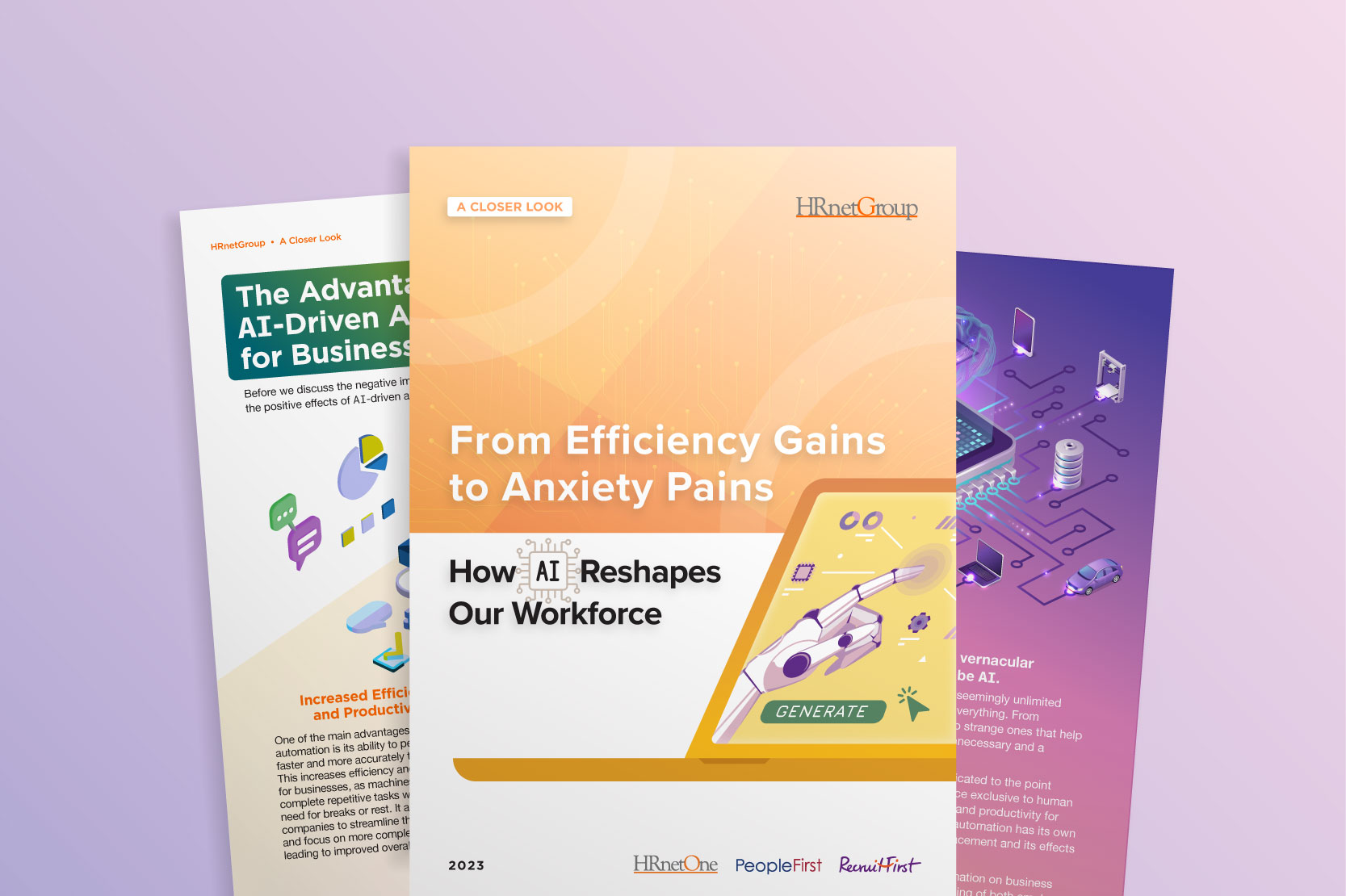
In our latest article, “From Efficiency Gains to Anxiety Pains: How AI Reshapes Our Workforce”, explore the profound impact of AI on business efficiency and job displacement, uncovering both promises of increased productivity and the costs to mental well-being.
💼 Efficiency Overdrive: The Promise and the Price
Witness the evolution of AI from mere novelties to efficiency powerhouses, handling tasks once exclusive to humans. Embrace the era of automation, understanding the dual impact of heightened productivity and the challenges posed by job displacement on the mental health of employers and employees.
🛠️ Solutions on the Horizon: Insights from Industry Leaders
With insights from industry leaders, we present potential solutions to navigate the AI landscape. Learn how businesses can thrive in the era of automation, ensuring a harmonious coexistence between humans and artificial intelligence.
🌐 Join the Conversation: Download Our Exclusive Article Now
Ready to shape tomorrow’s workforce? Download our comprehensive article, gaining a deeper understanding of how AI reshapes the professional landscape. Don’t miss out on the key to unlocking the potential of the future—be part of the conversation now!
RecruitFirst, represented by our Executive Director & CCO, Adeline Sim, proudly participated in the grand opening ceremony of WorldSkills ASEAN 2023. This prestigious event, held on July 23, 2023, brought together skilled professionals and young talents from Southeast Asia to showcase their expertise in various vocational skills.
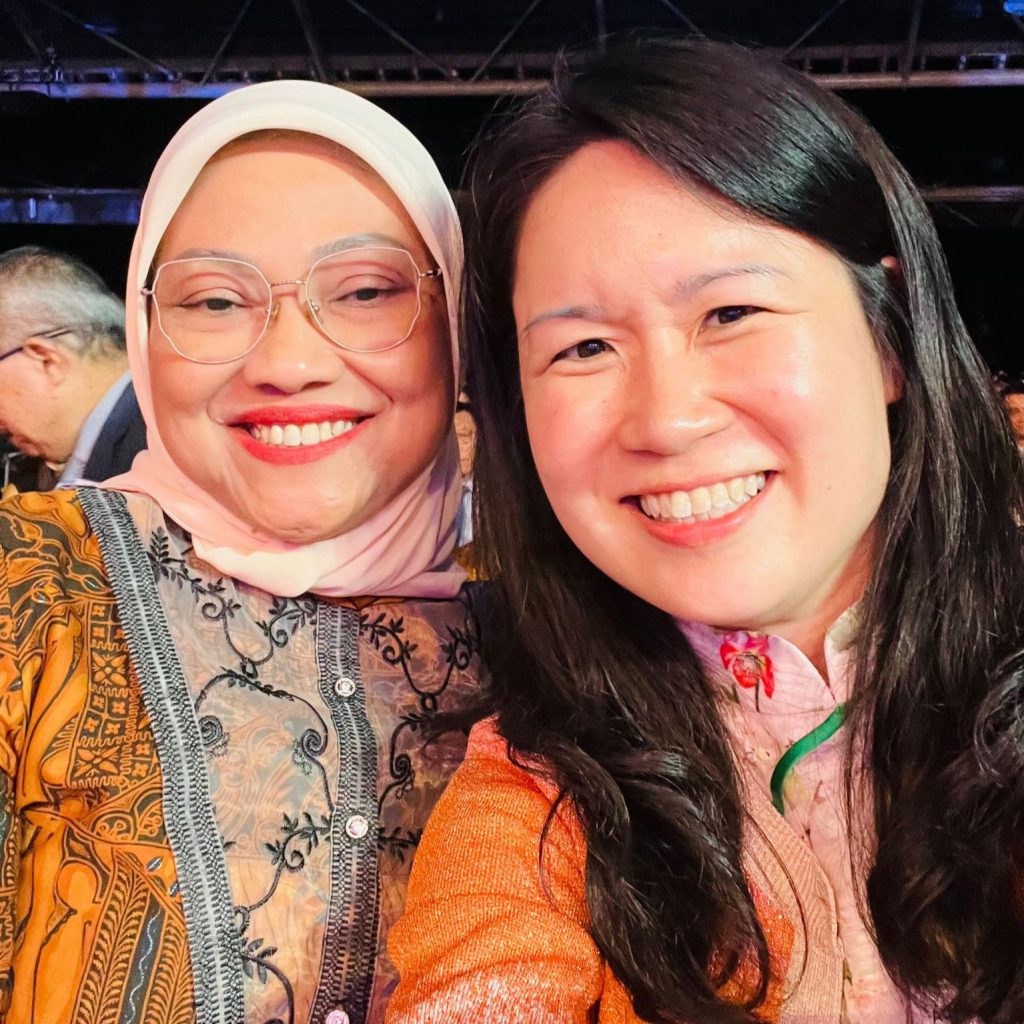
Our Executive Director & CCO, Adeline Sim with Indonesia’s Minister of Manpower, Dr. Hj. Ida Fauziyah, M.Si.
WorldSkills ASEAN 2023 has become a symbol of talent development and skills empowerment, providing a platform for individuals to display their exceptional abilities in technology, engineering, design, and more. HRnetGroup, with a mission to nurture and recognize talent, enthusiastically participated in this meaningful event.
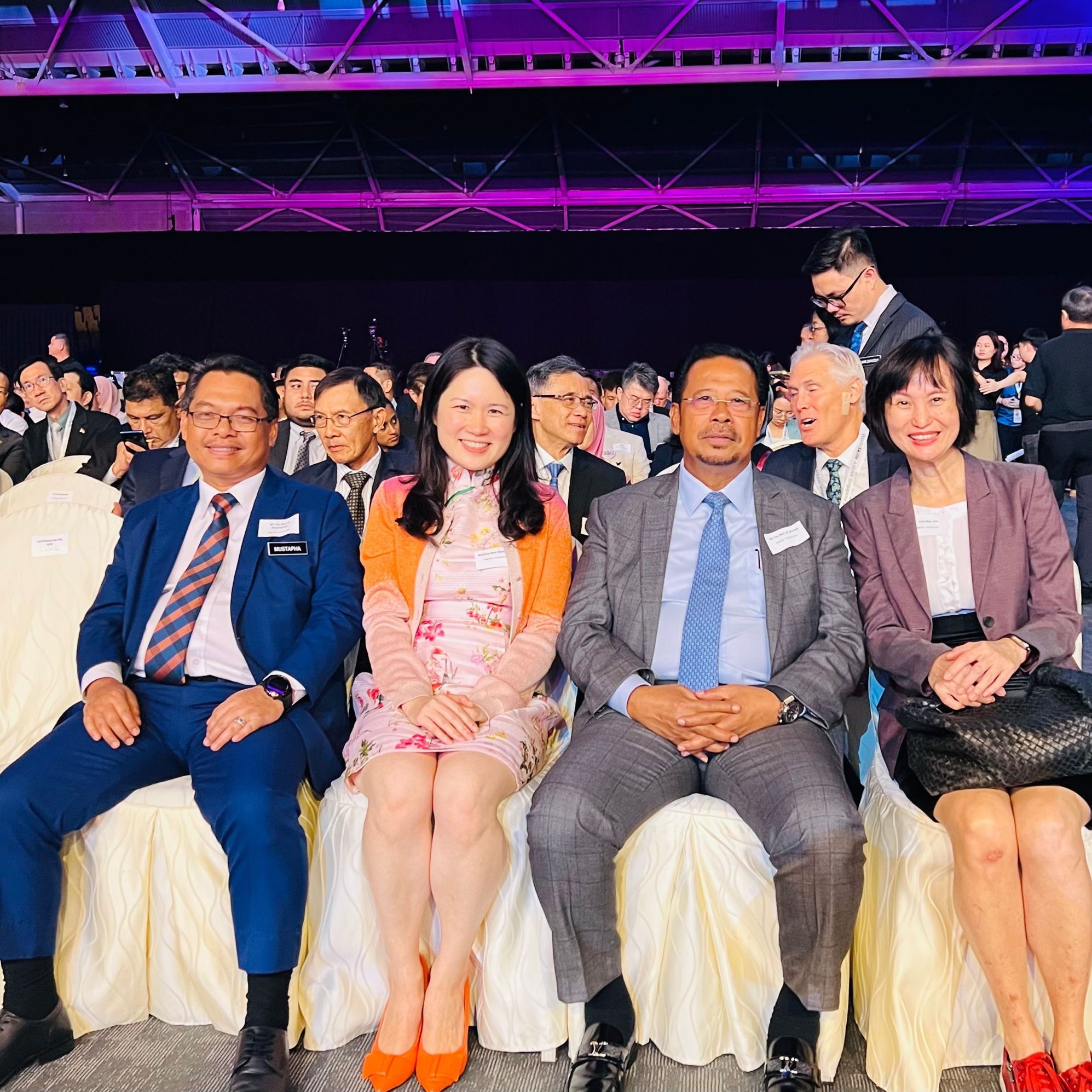
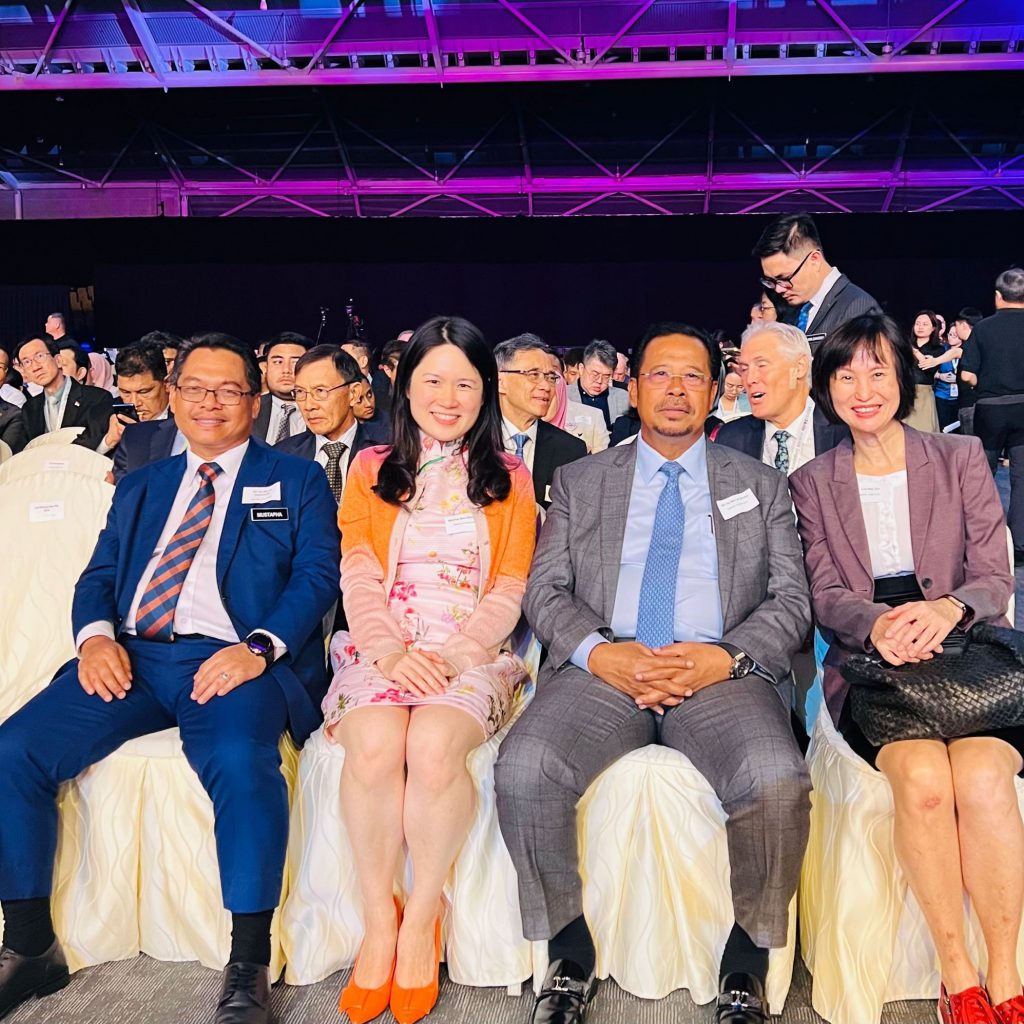
The opening ceremony witnessed the passion and commitment of skilled competitors, with the distinguished presence of Indonesia’s Minister of Manpower, Dr. Hj. Ida Fauziyah, M.Si., The Deputy Minister of Human Resources of Malaysia, Mustapha Sakmud and and Deputy Minister of Works of Malaysia, Abdul Rahman Mohamad. underscoring the event’s importance in promoting vocational excellence and regional cooperation.
Our Executive Director & CCO, Adeline Sim with The Deputy Minister of Human Resources of Malaysia, Mustapha Sakmud and Deputy Minister of Works of Malaysia, Abdul Rahman Mohamad.
At WorldSkills ASEAN 2023, we collaborated with like-minded organizations and industry leaders to drive positive change in the human resources landscape. Through strategic partnerships and innovative solutions, we are dedicated to contributing to economic growth and development, ensuring a future-ready workforce that meets the demands of a rapidly evolving job market.
Our participation in this event reflects our commitment to supporting the next generation of skilled professionals. As a leading player in the industry, RecruitFirst prioritizes nurturing young talents and equipping them with essential skills for success in the global job market. We look forward to continued collaborations and partnerships to advance vocational skills and empower talented individuals to thrive on the world stage.
Launching your career as a fresh graduate can be both exciting and challenging. As you step into the professional world, being well prepared is crucial to making a lasting impression and standing out over the competition.
So, how do you get the hiring manager to give your CV a second look? What should you put in your LinkedIn when you’re somewhat lacking in the experience department?
Well, look no further my friend as we have all the top burning questions and hot topics covered! We’ve spoken to tons of fresh grads and collected all their questions and worries and distilled it in this Fresh Grad Starter Kit.
Consider it your holy grail to scoring your first interview and ultimately… YOUR FIRST JOB!
You’re welcome!
SO, LET’S START AT THE START
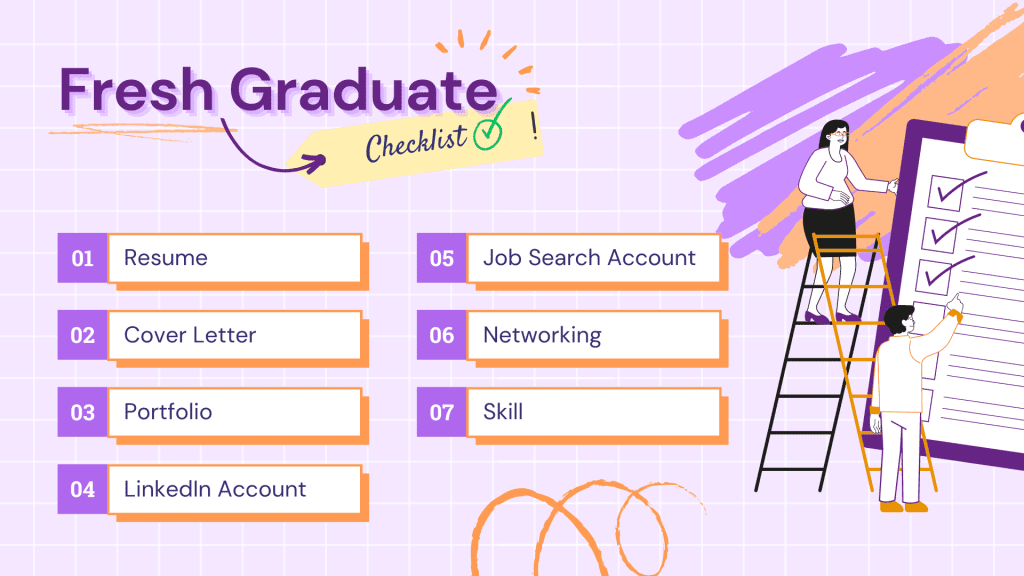
In this first part of the Fresh Graduate Starter Kit, we’ll unveil some essential components starting from expert tips and tricks to craft a compelling resume, captivating cover letter, standout portfolio, and impactful LinkedIn profile.
RESUME
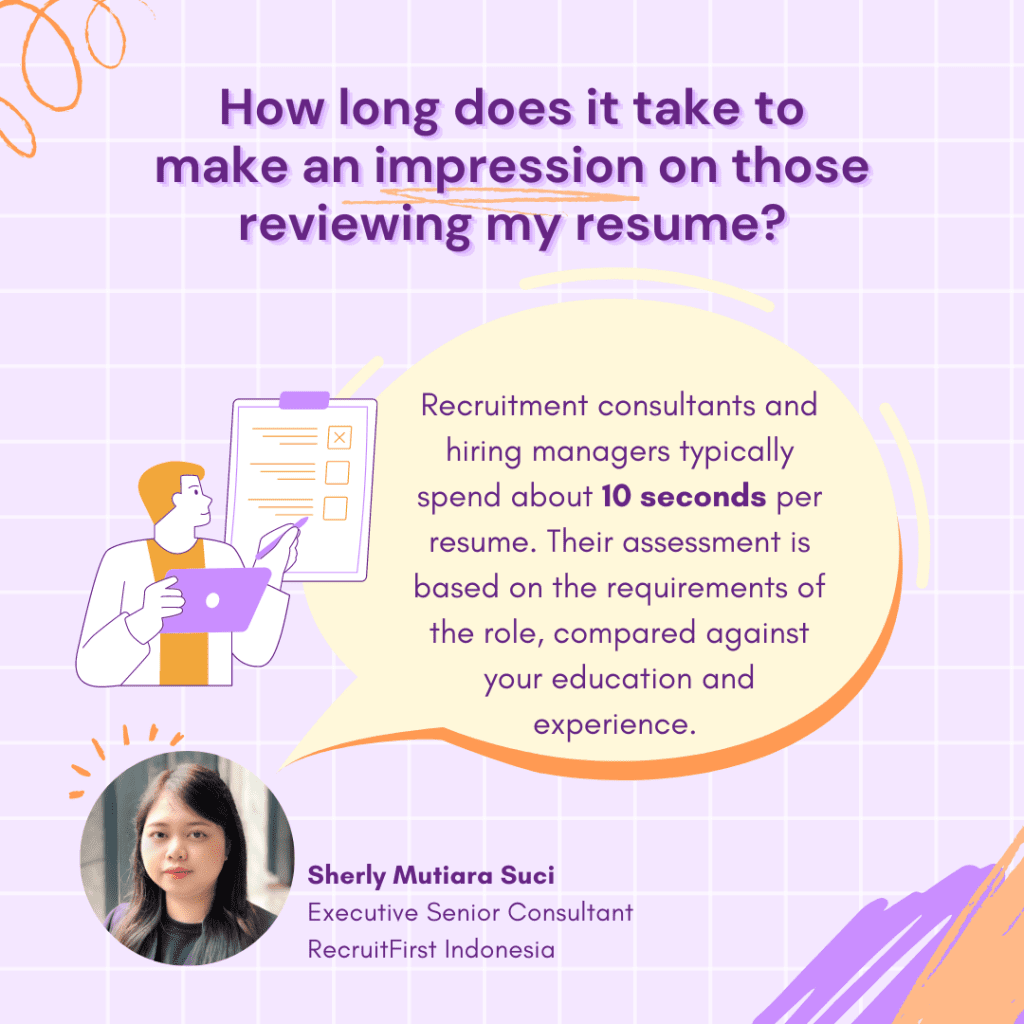
Crafting a compelling resume is an essential step for fresh graduates to showcase their skills, experience and potential to prospective employers. In order to stand out in a competitive job market, it is crucial to understand the key elements that should be included in a well-rounded resume.
These may seem obvious but they’re not to scoffed at as you’ll be shocked by the amount resumes that land in our inbox with nary a care for what is often deemed as basic.
Here are some pointers:
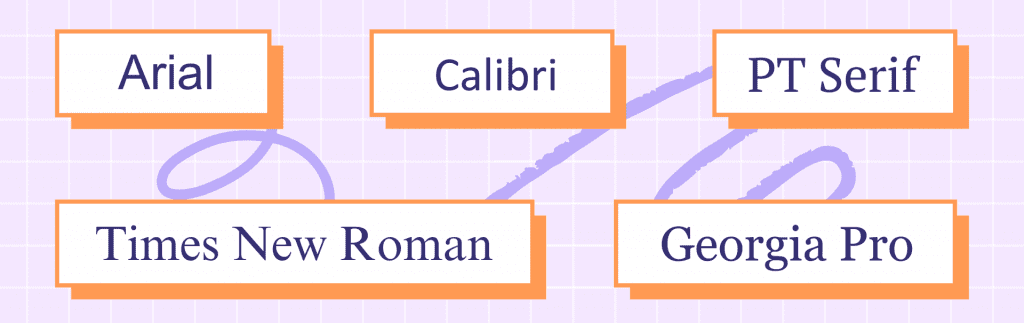
Use a clear font that is easy to read by recruiters and hiring managers. Examples of fonts that you may use include:
Ensure all your information is accurate and up-to-date.
Be honest in your resume and avoid misinterpretation of your skills and experiences.
Make sure to use correct grammar and avoid typos to best present yourself.
Take time to proofread it thoroughly or have someone review it for errors. You may even use platforms such as Grammarly, Ginger Software or other online proofreading platforms to check for any errors or areas of improvement.
In countries such as Japan, South Korea, China, Indonesia, and Malaysia, including a professional headshot on a resume is commonly expected. The photo should be of high quality and present you in a professional manner. However, it’s important to research specific cultural and industry norms of the target country as practices may vary.
Given your limited professional background as a recent graduate, adding interests and projects may be beneficial. Based on the relevance of your skills and the nature of the job, this can be viewed as a transferable skill and help differentiate you from the competition.
TIP: Instead of crafting a resume from scratch, you can save time by using one of our pre-designed templates. Simply choose the template you prefer, download and customise it to your needs.
We get this a lot. Yes, in the current Tik Tok & Instagrammy world we live in, who has time to read anything? Not when there are tons of videos to watch and cool pics to peruse over right?
Well, we’ll make an argument for Cover Letters. The TLDR version of is – Yes! There’s still value in Cover Letters. Just make it sharp and succinct.
Now, here’s the slightly longer explanation.
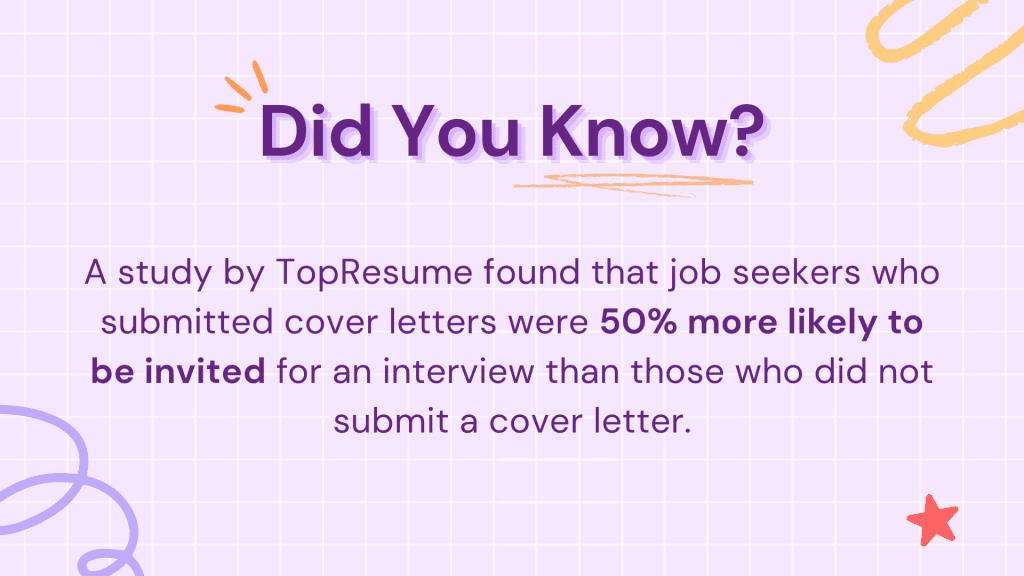
As a piece of persuasive writing, a cover letter will aim to convey to the employee that you’re fit for the role. While it is not always required, a well-crafted cover letter allows you to personalise and enhance your application while giving more information on your background. It allows you to express your enthusiasm for the position and demonstrate how you align with the company’s values and goals. A cover letter usually complements your resume, and with it you’ll aim to:
Highlight your qualifications: Show how your skills and experience relate to the employer’s needs for a specific position.
Showcase your motivation: Demonstrate your enthusiasm and personality for the specific position and the organisation.
Reflect your voice and written communication skills: Give the employer a sense of your personality and writing style.
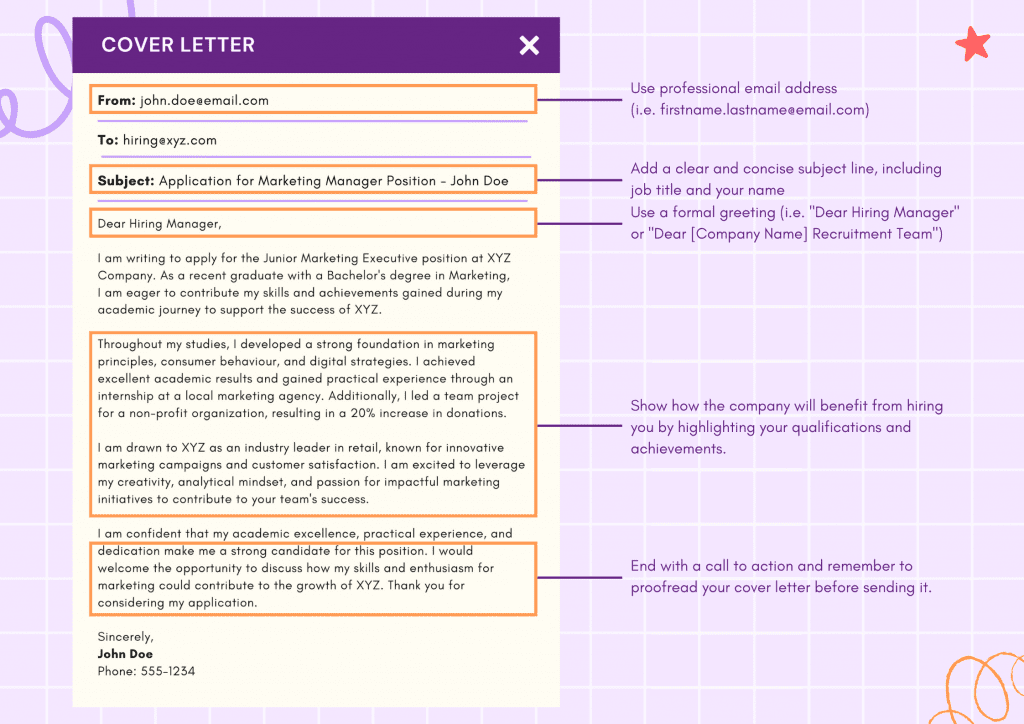
Here’s an example:
And because we’re pretty damn awesome, we’ll help you save time trawling through Google looking for a perfect template. We have it right here! Lucky you!
But… don’t just use it as is. Make sure you customise it further and make it your own.
A portfolio is a collection of examples of your work and meant to demonstrate your skills, accomplishments, and potential. It can include various types of work such as illustrations, logos, blog posts, essays, marketing campaigns and more.
While portfolios can be beneficial for many types of roles, they are particularly applicable to creative and technical professions. If you are applying for roles including administrative, sales, customer services, receptionist, you would not need one.
Now let’s take a look at some key components in a portfolio.
Introduction: This should include a brief overview of who you are, your professional background, and your areas of expertise.
Work Samples: These should be the centrepiece of your portfolio. Choose your best work and organise it in a way that is easy to navigate. Be sure to include a brief description of each sample and the context in which it was created.
Professional Development: This can include any training or certifications you have received, as well as any conferences or workshops you have attended.
Testimonials: Including positive feedback from your lecturers can help reinforce your skills and expertise.
Contact information: It’s essential to include your contact information in your portfolio so that recruiters can reach out to you for potential job opportunities. If you have a social media page promoting your brand, you can even add that in. Below, you’ll find some examples that you can refer to. We think these are pretty cool so do have a look through and find some inspiration.
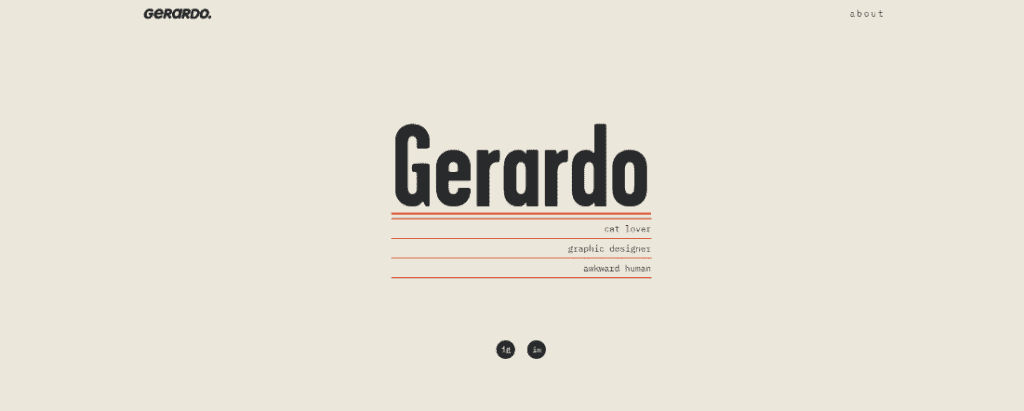
Gerado is a recent graduate from San Diego. His portfolio consists of all the work he’s done in his university, and he makes it stand out with his engaging and colourful content. The simple scroll animations pull in the audience to better understand his work.
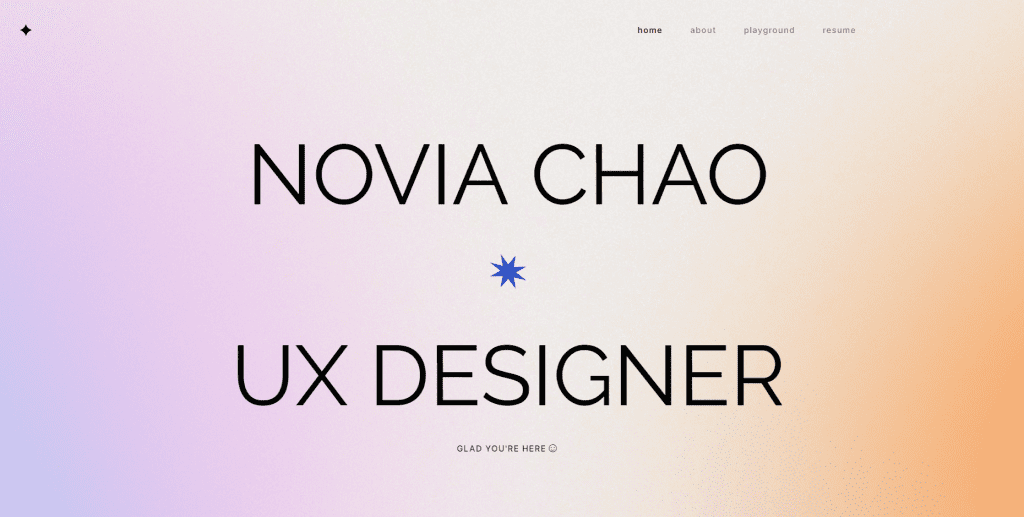
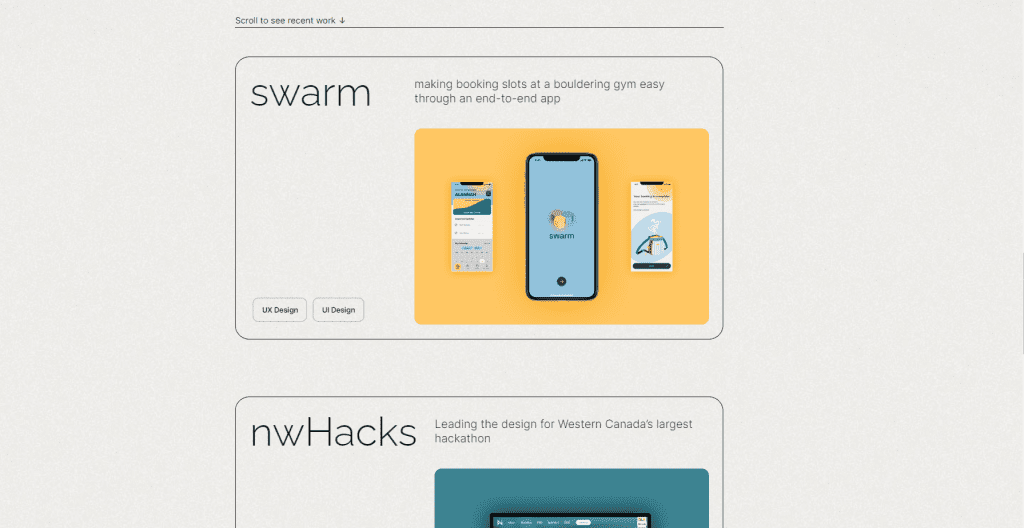
Novia’s portfolio is a perfect example of everything that you need to enter the working world as a UX/UI designer. Her website extensively covers the work she’s done, along with detailed background and work process of each project. The use of clear and sleek fonts and colors allows the work she has done to speak for itself.
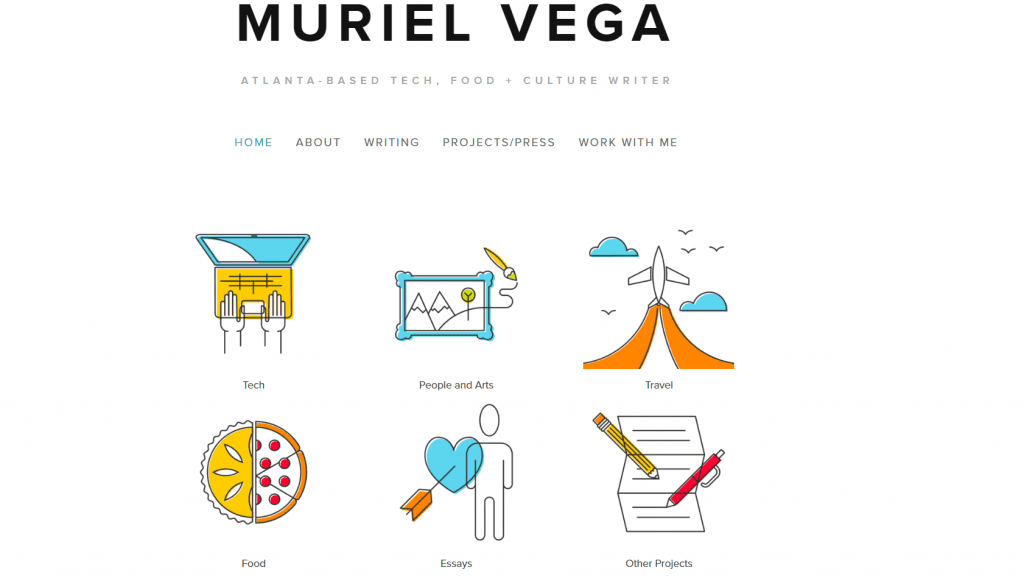
For Content Writers, Creative Copywriters, Communication Professionals: Muriel Vega – https://www.murielvega.net/
Muriel’s portfolio skillfully combines colorful icons against a clean white background, creating an inviting and creative atmosphere. Additionally, her well-organized collection of creative writing is conveniently categorized under relevant topic headings, facilitating effortless perusal.
To get you started, we have a pre-designed template that you can download and customise accordingly:
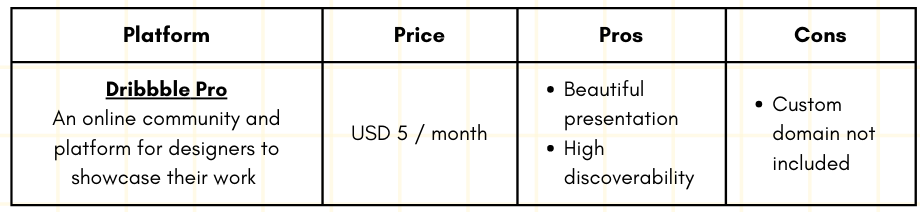
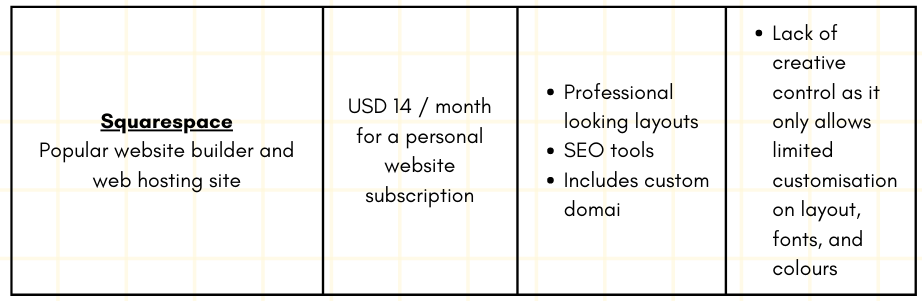
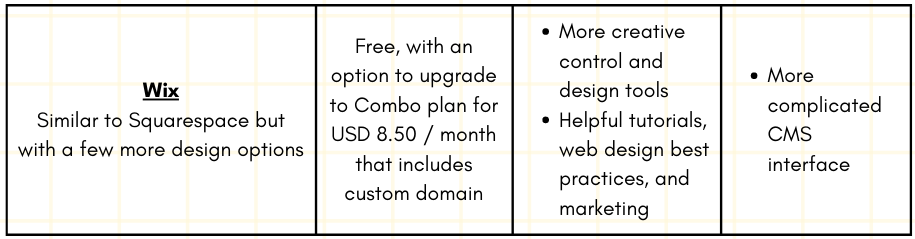
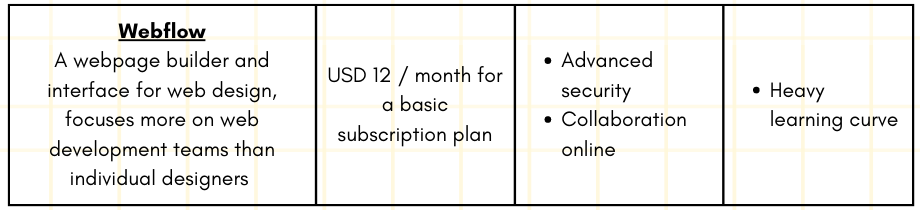
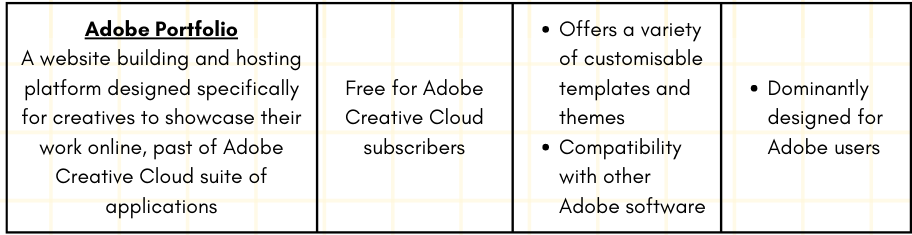
If you’re looking to showcase your creative work online, here are several recommended platforms that offer customizable templates, seamless integrations, and user-friendly interfaces for building stunning portfolios with ease.
LINKEDIN ACCOUNT
No cute cat videos, no cool GRWM outfits, no immaculately styled food pics… So, why do we want to be on LinkedIn right??
Well, as terribly uninteresting as it sounds, in today’s competitive job market, a strong professional presence online is essential for fresh graduates. Think of it as gaining professional clout. LinkedIn, with its extensive user base of over 700 million professionals, provides an invaluable platform for networking, job hunting, and showcasing skills.
In this section, we will explore five easy steps to create the perfect LinkedIn profile, helping you stand out to potential employers and increase your chances of landing your dream job.
1. Choose the best profile picture for LinkedIn Your LinkedIn profile picture is the first impression you make on others, making it crucial to present yourself professionally and with high-quality imagery. To achieve this, it is recommended to use a profile picture that is 400 x 400 pixels in size and has a maximum file size of 8MB.
Do’s:
Wear professional attire such as blouse or blazer for ladies, and suits or collared shirts for gents.
Use a neutral background or a simple background that doesn’t distract from your face.
Crop your photo properly, with enough space around your head and shoulders. Ideally, your face should take up at least 60% of the frame.
Don’ts:
Use a blurry or low-quality photo.
Use a selfie taken in a casual setting such as a messy room or with a distracting background.
Wear casual or inappropriate attire such as a tank top or a party outfit.
Uneven lighting that doesn’t flatter your face.
2. Create an eye-catching headline
Your headline is a summary of what you do and what you have to offer so make sure your headline is more than just a job title. Even with little to no experience, you can still showcase your potential to employers by highlighting any relevant skills you’ve honed during your studies. For example:
Creative Graphic Designer | Skilled in Adobe Creative Suite | Seeking Entry-level Roles in Design
This example uses keywords related to the person’s industry and experience as a full-stack developer, as well as mentioning their specialty in creative design.
3. Craft your summary into a story
The LinkedIn summary section is an ideal place to share your story. Take advantage of this opportunity to highlight your strengths, achievements, accomplishments, and passions that showcase your potential and value to prospective employers. For reference, please see the example below.
“As a motivated marketing graduate with a strong interest in social media and digital marketing, I am eager to begin my career in driving engagement and increasing brand awareness for various industries. I have a passion for creating compelling content and building meaningful relationships with customers. Through my academic projects, I have gained experience in project management, team collaboration, and strategic planning, and I am excited to apply these skills to help companies achieve their marketing goals and grow their business. I am currently seeking opportunities to contribute my skills and learn from industry professionals.”
4. Highlight your experience and skills
As a fresh graduate, your work experience might be limited, but that doesn’t mean you don’t have valuable skills to showcase on your LinkedIn profile. Include any internships, part-time jobs, or volunteer work that you have done and highlight the tasks and responsibilities you had in each role.
In addition, consider mentioning any coursework or projects that are relevant to your studies. When including skills in your profile, prioritize those that are applicable to your desired roles and industry. However, don’t hesitate to include other skills that you are confident in as well.
5. Start making connections
Begin by connecting with your professors, classmates, and alumni from your university. Additionally, join industry-related groups and actively engage in discussions to expand your connections. Syncing your profile with your email address book can also help you discover connections you may have overlooked.
Creating a compelling LinkedIn profile doesn’t have to be time-consuming. By following these step-by-step ideas and gradually building upon them, you can make quick progress, even if it’s just dedicating a few minutes during your lunch break. Once you fully leverage the advantages of your LinkedIn profile, you’ll be amazed by the positive impact it can have on both you and your professional endeavors.
So, there you have it. Your first steps towards your dream career.
As much as we’d like to say that’s all and send you off to your first job, we’re not quite there yet.
There’s still quite a bit to work on but worry not! We’re here for you and will make Phase 2 as easy as we possibly can.
Next up, it’ll be about preparing for your first interview and that will be pretty interesting.
So, keep a lookout for the next Starter Kit. It’ll be packed with everything you’ll need to confidently show up on Zoom or in person and wow your interviewers!
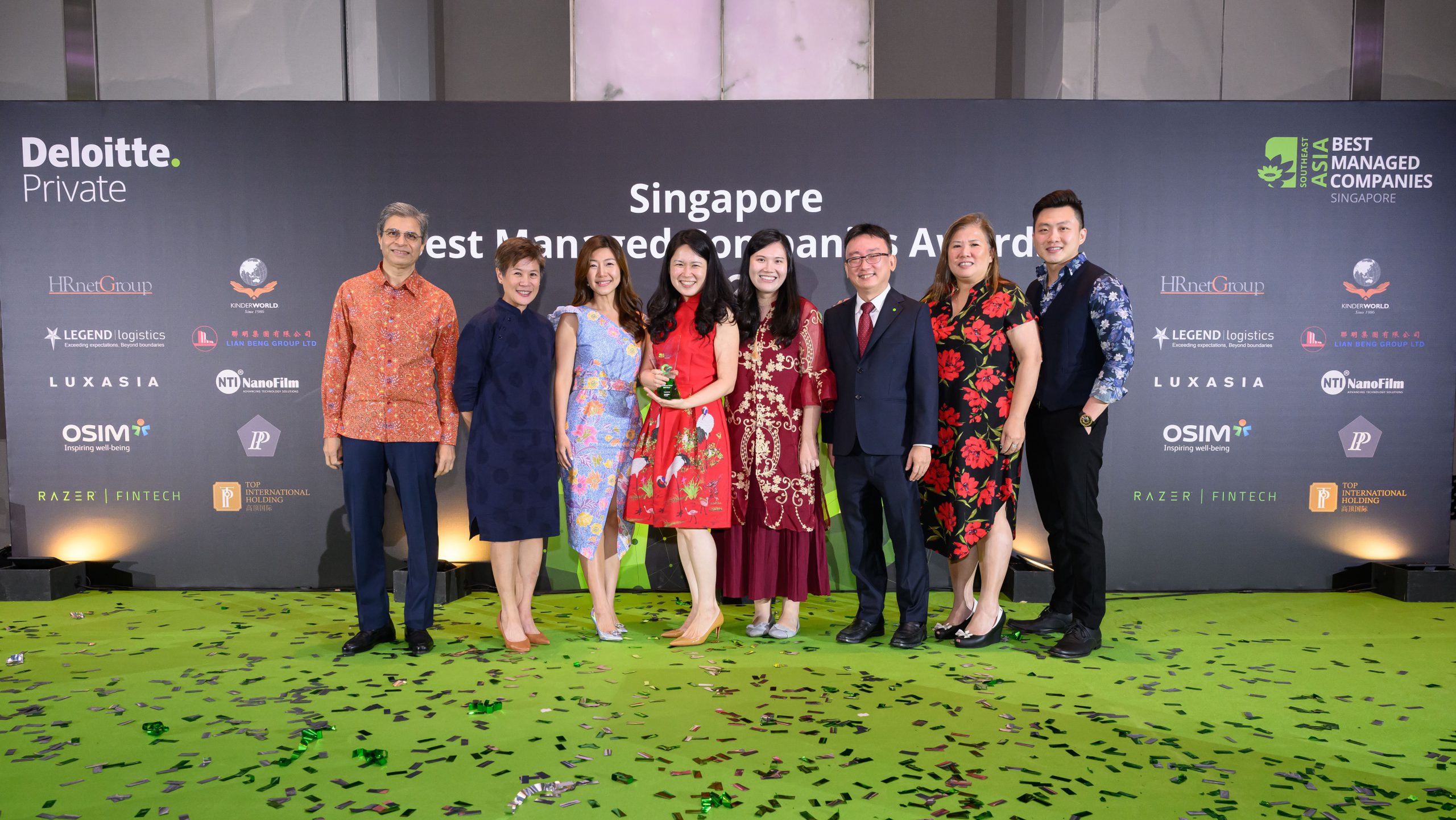
We are delighted to receive the prestigious Best Managed Companies award by Deloitte for the second consecutive year, which highlights our dedication to excellence and innovation. Over our 31-year journey, we have strived to shape the industry through the synergistic blend of technology with a profound understanding of the talent landscape.
Our solutions surpass traditional products and services, responding directly to the human interactions that drive our business. For example, Instant Pay empowers contractors with daily payments, removing financial constraints and promoting progress. Moreover, our revamped Candidate Profile Report delivers information efficiently, facilitating astute decision-making.
Our success stems from a genuine understanding of our clients’ and candidates’ true needs. We believe technology should enhance connections and the value we bring to those we collaborate with.
This achievement is a testament to our outstanding leaders and recruiters who continuously raise the bar, propelling us forward. As we celebrate this milestone, we are committed to building on our success and driving positive change in our industry.
We express heartfelt gratitude to our clients, candidates, and partners for their trust. This recognition humbles us, and we will continue to push boundaries, leveraging our expertise, technology, and understanding to deliver unparalleled solutions. Together, let us confidently embrace the future and pursue excellence in our industry.
Feeling like your job is draining the life out of you? You’re not the only one. According to a survey conducted by McKinsey in 2022, on average, one in four employees report experiencing burnout symptoms. If left unchecked, it can have severe consequences on your physical and mental health, like going through anxiety, depression, or fatigue.
While job burnout can hit even the most dedicated employees, it doesn’t have to be the end of the road. In this article, we’ll discuss how to recognise it, the stages of job burnout, and some tips on how to tackle it.
Recognise the Signs
Knowing the signs of job burnout is crucial to preventing it from becoming a chronic issue. By recognising the signs early on, you can take proactive steps to address the issue and prevent it from becoming a long-term problem. So how do you know when you’re going through a burnout?
Some of the main symptoms are having a negative attitude towards work, dreading entering the office every day, having trouble sleeping, being easily irritated by colleagues and feeling that your work has no purpose. If you notice something that is out of the ordinary in your work performance, take a step back and identify the problem before it becomes a chronic issue.
Stages of Job Burnout
There are 5 stages of job burnout that you should be aware of:
Honeymoon Phase: In this initial stage, you may feel excited and enthusiastic, still energised and wouldn’t mind skipping a meal or two to get the job done.
Balancing Act: While the workload increases, you might start to feel stressed and try to balance everything out. Here is likely when you realise you are unable to sleep because of work.
Chronic Stress: During this stage, you could potentially begin to experience the ongoing stress that can impact the physical and mental health – spending your weekends worrying about what’s to come on Monday.
Burnout: At this point, it is possible that you may feel completely exhausted, having nothing left to give and may withdraw from your work and personal relationships.
Enmeshment: In this final stage, burnout becomes a habitual state, a stage where it becomes a default setting. There is a chance that you may not even remember how you started to feel the burnout and will then have lost your sense of purpose.
Tips on Tackling the Issue
Avoiding job burnout is essential in order to maintain a healthy work-life balance and avoiding long-term negative effects on your physical, emotional, and mental well-being. Here are some of the tips to tackle the issue:
Taking Short Breaks Whether it’s getting up from your desk and stretching, taking a short walk or even meditating, this can help recharge your batteries and improve your focus. It’s crucial to take extended breaks, such as your lunch break or taking time off for a day or two, to allow yourself ample time to unwind and rejuvenate away from work.
Practice Work-Life Boundaries It’s important to make time for things outside of work in your life. One way to do this is to make a to-do list for each day and set a time limit for each task. This can help you be more organised and stick to your designated working hours. Also, try to avoid checking work emails or taking work calls after 7 pm to have some time for yourself and your personal life.
Self-Care as Your Daily Habit Taking care of yourself is important for your overall well-being. You can do this by exercising regularly, having a balanced meal, getting enough sleep, and spending time with your loved ones outside of work. Taking care of your mental health is also crucial to managing your stress levels and preventing burnout.
Seek Support Talking to a trusted friend, family member, or therapist can help you cope with job-related stress. Joining a support group or seeking out a mentor can also be helpful. If you’re struggling with a specific issue at work, talk to your supervisor or HR representative about possible solutions.
Find Meaning and Purpose Finding meaning and purpose in your work can help prevent burnout. Identify what motivates you and what you find fulfilling about your job. Set goals for yourself and work towards them. Focus on the positive aspects of your job, and try to cultivate a sense of gratitude for the opportunities you have.
While job burnout is a significant issue that can affect anyone, it’s essential to recognise the signs and take the necessary measures to prevent it from happening and letting it become a bigger problem. It can be challenging having to navigate the demands of work but by following some of these steps, it can go a long way. It’s important to remember that prioritising your self-care is not selfish; rather, it is crucial for both your personal well-being and professional success.
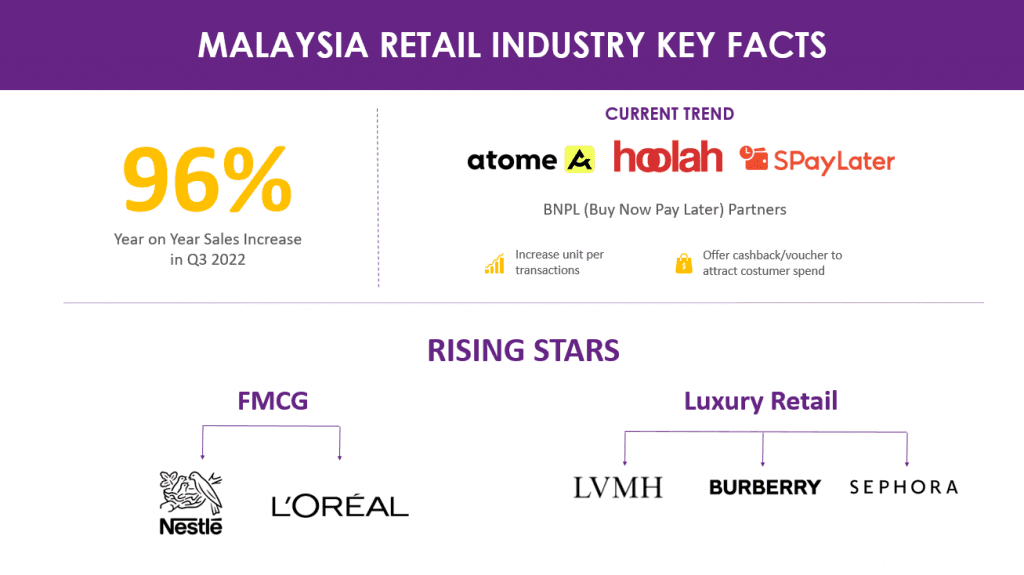
The retail industry in Malaysia has undergone significant changes in recent years, driven by the growth of e-commerce and the shifting consumer preferences.
Despite facing challenges such as increased competition and the impact of COVID-19, the retail sector in Malaysia remains a key contributor to the country’s economy, providing employment opportunities and driving economic growth.
HOW DID THE SECTOR MANAGE TO PUSH SALES?
Once the Malaysian government relaxed the conditions on several sectors after the Movement Control Order (MCO), consumers almost immediately returned to their shopping behavior.
Companies in these industries are looking for candidates to be able to sharpen certain skills especially interpersonal skills which can be more important than their experiences.
HIRING ADVICE
While this industry is slowly recovering due to the numerous lockdowns from the past two years, it has not completely gone back to normal yet.
Recruiting and retaining top talents are important as these are the people that are the backbone of the company – selling more products and serving the customers.
SHOWCASE YOURVALUES-DRIVEN WORKPLACE
Employees, especially with the Millennial and Gen-Z generation, expect to have a conducive working environment that focuses on diversity, inclusion and equality.
Showcase your working environment by including information on actions you’re taking to promote this and how everyone in the organisation shares the same values.
EMPOWEREMPLOYEE GROWTH
Employees tend to show interest and stay for a longer period whenever companies have a clear path to their career growth. Some employees enter the workforce to move forward while others prefer a more lateral move.
Provide your employees with training and development programs, mentorship opportunities and a variety of career paths to choose from.
SIMPLIFY THEHIRING PROCESS
It’s important to note that most employees want a simple candidate experience which helps to kick start the employer-employee relationship.
Try incorporating using pre-recorded video interviews or having an easy one-pager application form.
RETENTION &ATTRACTION
As employers, it is extremely important to understand what makes an employee continue to stay in the long run and those that are there for a shorter term.
It’s best to understand the reasons behind this to help the management team and the company as a whole, create a better work culture, in order to retain the best talents in the industry and to work towards attracting new talents to the growing team.
REASONS TO STAY
Positive career progression
Competitive salary and commission scheme
Acclaimed employer branding
Products and services
Store location
REASONS TO LEAVE
Lack of brand awareness
Salary and commission scheme are not competitive
Unhealthy working environment
Lack of opportunity to transfer to backend roles
Inconvenient access to store
FROM ATTRACTION TO RETENTION
Finding the right talent is critical for your company’s growth. These are the employees that will help your business succeed, so knowing how to manage these employees are key for the development of your business.
Consider these strategies to help you stand out from your competitors when establishing your talent attraction and retention plan.
CROSS-BRAND TRANSFER
Employees that have been with a specific group for a while tend to prefer moving to a different brand, but within the same group.
This is to provide a new sense of motivation and satisfaction whilst giving the employee an opportunity for growth.
This allows employees to be versatile with their work, giving them opportunities to thrive, enabling them to widen their skills and knowledge.
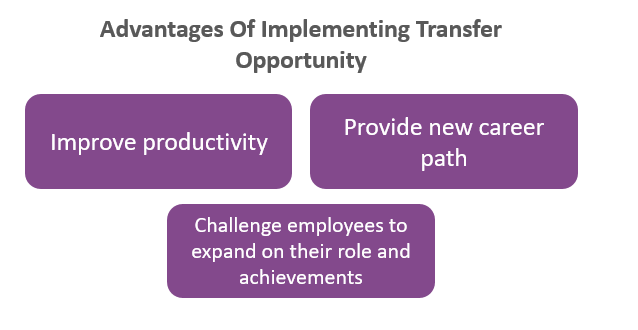
TRANSFER OPPORTUNITY TO OTHER CITIES/COUNTRIES
Employees that are seconded are able to garner different experiences in honing their skills, forming new connections, and understanding the company better.
Through secondment, employees won’t feel mundane with their daily routines.
TEAM BONDING
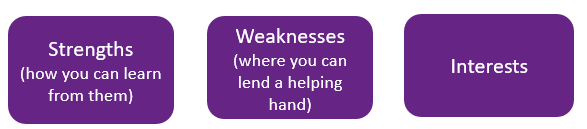
Having a strong bond within your team is extremely important to better understand everyone’s:
Team bonding, whether done through a lunch or an activity, is able to build trust among employees, allowing them to be proactive with their ideas and take risks.
Communication is always key when working with each other, to be able to set a defined goal and work towards it in the most efficient manner.
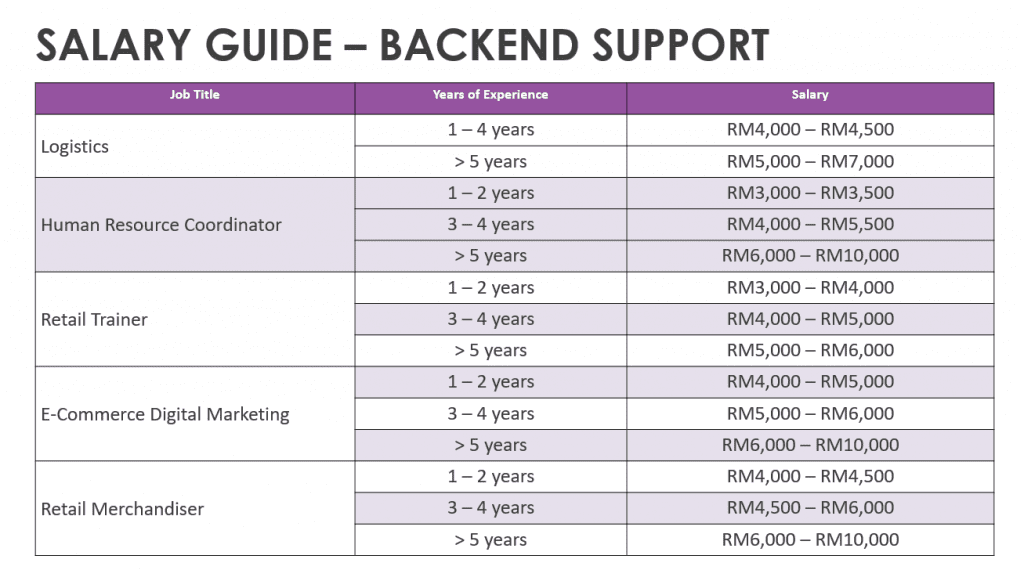
SALARY INCREMENT
The people who work for you should be treasured, so when considering giving your employees a salary increment, it’s important for you to know when and how to offer them.
Employers should also note that compensating employees can go a long way in retaining them, as the industry can get extremely competitive.
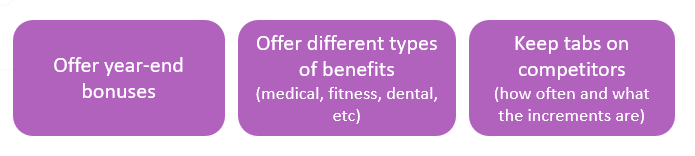
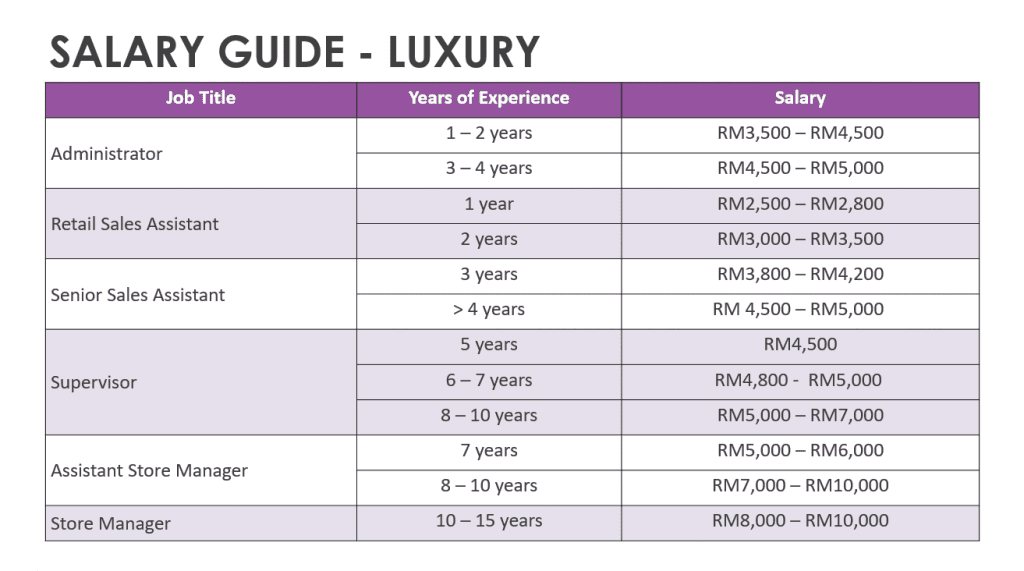
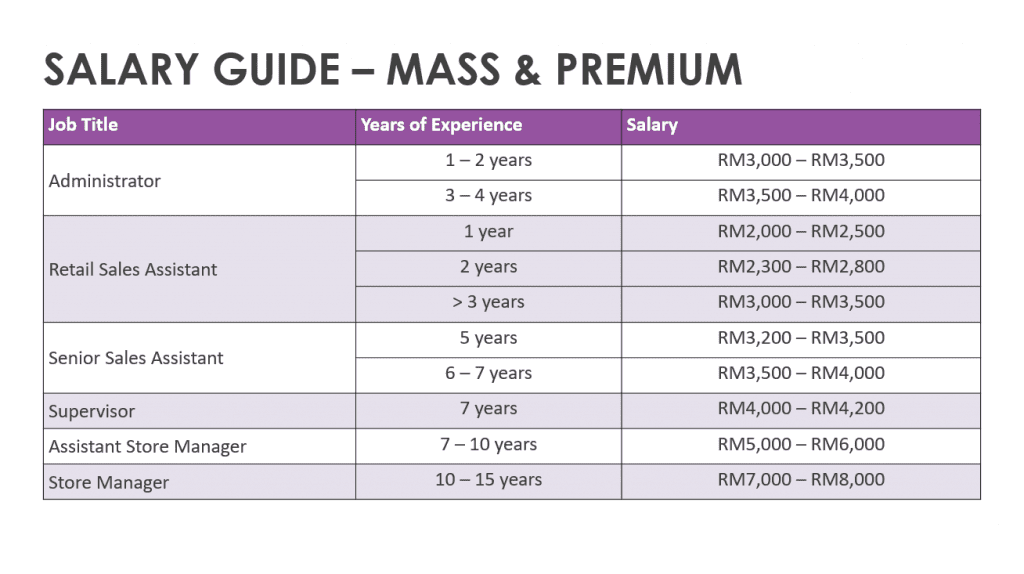
Most employees expect to be paid a salary that reflects the hard work and dedication they’ve done with the company. Consider the following:
WORK WITH A RECRUITER
With the booming retail industry and the numerous amount of shopping malls rising in Malaysia, the country is on the verge to be the next shopping paradise for many locals and tourists.
With multiple competitors in this fast-paced industry and with more new players trying to enter the market, partnering with recruiters is of the utmost importance to you.
By understanding the market, its trends and with a broad network, a good recruiter is able to source and narrow down the right talent for your growing company.
The retail industry in Malaysia has undergone significant changes in recent years, driven by the growth of e-commerce and the shifting consumer preferences.
Despite facing challenges such as increased competition and the impact of COVID-19, the retail sector in Malaysia remains a key contributor to the country’s economy, providing employment opportunities and driving economic growth.
How the sector managed to push sales?
Once the Malaysian government relaxed the conditions on several sectors after the Movement Control Order (MCO), consumers almost immediately returned to their shopping behavior.
Companies in these industries are looking for candidates to be able to sharpen certain skills especially interpersonal skills which can be more important than their experiences.
CAREER ADVICE FOR JOBSEEKERS
While the Retail industry growth is projected to continue at a strong level, candidates will now have more opportunities to enter the industry.
With the minimum wage being increased in Malaysia, the demand to enter this industry is high and having a few set of strong skills will be able to put you ahead of other candidates.
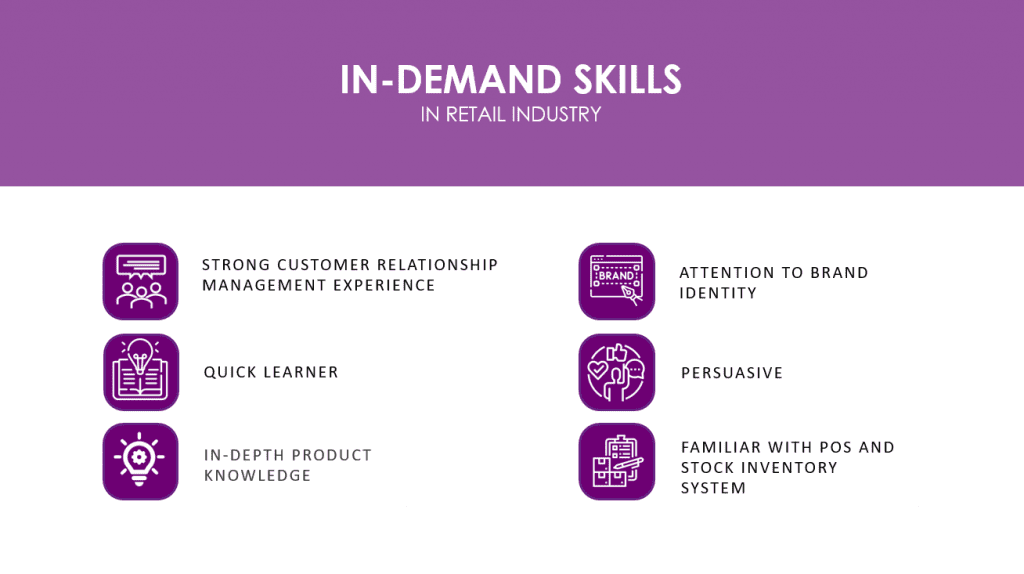
Consider brushing up the following skills and competencies to make your next job search in the Retail industry a successful one.
CUSTOMER SERVICE
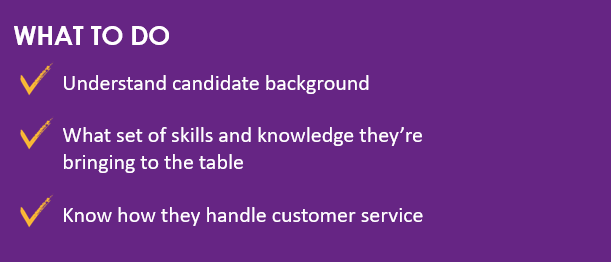
Customer Service is one of the top skills to acquire when working in this industry as you need to understand the importance of making the customer feel appreciated.
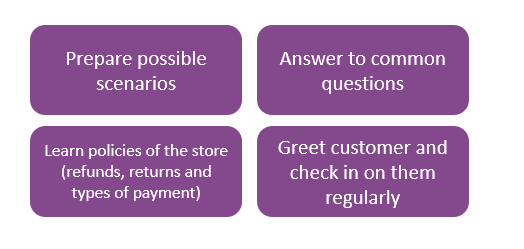
Brush up on these to deliver top notch assistance whenever needed:
COMMUNICATIONS
Showing the customer how they’re appreciated goes hand-in-hand with how you communicate with them. Show them that you’re giving your full attention by understanding the business well and give them your full attention by conversing with them regarding the products/services.
The way you talk to customers has a big impact on your brand, so, when speaking to customers, think of the tone of your voice – try to always keep it positive.
PRODUCT KNOWLEDGE
Product knowledge ensures that there is an enhanced customer experience when they enter the store. This type of skills is critical in selling the products/services.
It’s best to understand the type of product being sold to customers and relay that information in layman terms.
Being updated on all products helps give you the advantage and confidences when answering questions by customers.
PROACTIVE
Being proactive is a trait that many adore, as anyone working around you know that you’re ahead of the tasks you’ve been assigned with and you’re able to handle the tasks in an efficient and timely manner.
Being proactive isn’t just that you’re doing the tasks fast, it’s also about planning and preparing in advance for scenarios and how you react to circumstances.
WORK WITH A RECRUITER
With the booming retail industry and the numerous amount of shopping malls rising in Malaysia, Malaysia is standing out to be the next shopping paradise for many locals and tourists. Working with recruiters will be able to help you have a seamless mode of communication between you and your potential employer.
Recruiters are there to lend you a helping hand to give you tips and tricks that go beyond what you can find online to help you nail the interview and get you the job. When speaking to you, they’re not only relaying information about the opportunity, but giving you an in-depth knowledge on the industry, the trends, the company’s culture and more, giving you full insights to these jobs.